





Stop Frozen Pipes: Simple Steps for Tacoma Homeowners
Frozen Pipes in Tacoma can turn a cold night into costly water damage. As temperatures drop, the risk rises fast. However, this is not just a small hassle. It can ruin walls, floors, and holidays. So, a few smart steps now can protect your home.
Moreover, simple habits can keep water moving and lines warm. By acting early, you can avoid Frozen Pipes in Tacoma and stay stress-free. This guide covers insulation, sealing drafts, steady heat, and more. As a result, you can enjoy winter without sudden plumbing surprises.
Insulating Exposed Pipes
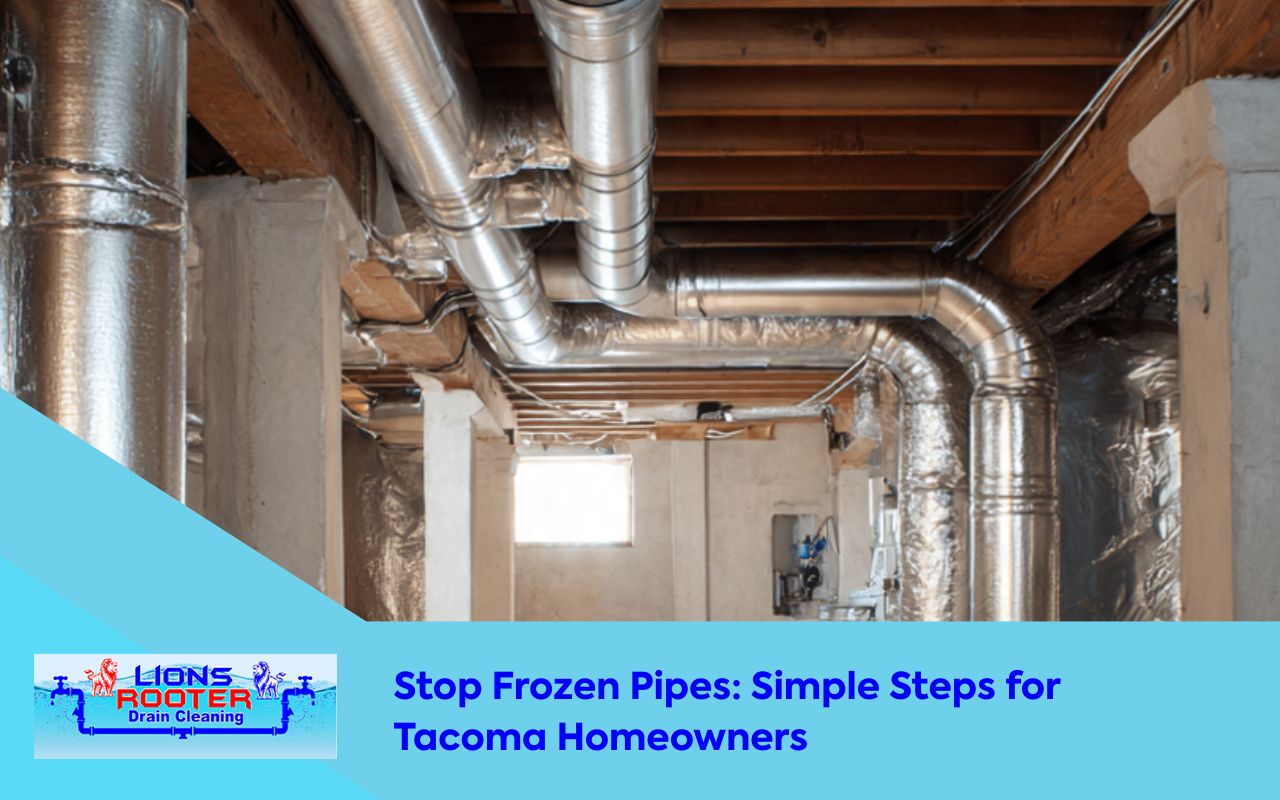
Start with pipe insulation in basements, attics, and crawl spaces. First, measure each line. Then, fit foam tubes or fiberglass sleeves snugly. Clean the pipe before you wrap it. Finally, tape seams tight, so cold air cannot slip in.
Insulate pipes on exterior walls
Cover valves and fittings
Seal ends with weatherproof tape
Where insulation matters most
Focus on unheated runs and tight corners. Also, add a second layer where drafts hit hard. If access is tricky, a plumber can spot hidden weak points. Therefore, you reduce burst pipe risks without guessing.
Sealing Cracks and Gaps
Next, block cold air where it sneaks in. Use caulk or expanding foam around pipe openings. Add weatherstripping on doors and windows. Even small cracks can chill nearby lines. Consequently, sealing boosts comfort and efficiency.
Check around vents and utility entries
Seal exterior wall outlets with foam gaskets
Inspect the foundation perimeter
Maintaining Consistent Home Heating
Keep your thermostat steady, even overnight. Aim for no lower than 55°F. Sudden drops can create cold pockets. Also, replace HVAC filters to improve airflow. Meanwhile, open interior doors so warm air spreads evenly.
Allowing Faucets to Drip
During deep freezes, let vulnerable faucets drip slowly. Moving water is less likely to freeze. Target fixtures far from the main line. For best coverage, drip both hot and cold a little. This step helps prevent Frozen Pipes in Tacoma during harsh nights.
Opening Cabinet Doors
Open vanity and sink cabinets on frigid days. That lets warm air reach pipes under sinks. This matters most on exterior walls. For extra warmth, a small nightlight can help. Then, close cabinets when temperatures rise.
Using Heat Tape or Cable
Heat tape adds targeted warmth in risky areas. Follow the product directions closely. Do not overlap the cable. Use a grounded outlet, and choose a GFCI for safety. When paired with insulation, it offers a strong winter shield.
Keeping Garage Doors Closed
If pipes or a hose bib sit near the garage, keep the door shut during cold snaps. Also, install door seals to stop drafts. If needed, add foam board in door panels. Therefore, the space stays warmer and pipes stay safer.
Draining Outdoor Water Sources
Before freezing weather, shut off water to outdoor lines. Disconnect hoses and store them inside. Then, open outdoor faucets to drain leftover water. This reduces cracking and leaks. It also lowers the chance of Frozen Pipes in Tacoma starting outside.
Turn off interior shutoff valves to exterior feeds
Drain outdoor faucets completely
Remove and store garden hoses
Winterizing irrigation and extras
Blow out sprinklers with air if you can do it safely. Otherwise, hire help. Also, drain pool fills, fountains, and RV hookups. As a result, you protect hidden lines from ice damage.
Seeking Professional Help if Necessary
If you feel unsure, call a licensed plumber for an inspection. For urgent issues, use 24/7 emergency plumbing services in Washington State. If a line fails, review burst water line emergency steps.
Additionally, if you suspect underground damage, explore water line repair in Tacoma. When you are ready to schedule, reach out via the Lions Rooter contact page for a winter-ready plan.
Frequently Asked Questions
How do I know my pipes are starting to freeze?
Low water flow, frost on a pipe, or strange sounds can be early warnings. Act fast.
Which pipes freeze first in Tacoma homes?
Pipes in crawl spaces, attics, garages, and exterior walls are often the first to freeze.
Should I drip hot or cold water?
Drip both when possible. This keeps water moving through more of the system.
Is insulation enough on its own?
It helps a lot. However, sealing drafts and keeping steady heat improves results.
When should I call a plumber?
If you cannot locate a frozen section or you see leaks, call right away to limit damage.
Importance of Preventing Frozen Pipes
When you combine insulation, sealing, and steady heating, you cut winter risk sharply. Small steps stack together. Therefore, you avoid stress and cleanup. With a simple plan, Frozen Pipes in Tacoma become far less likely, and your home stays protected all season.