






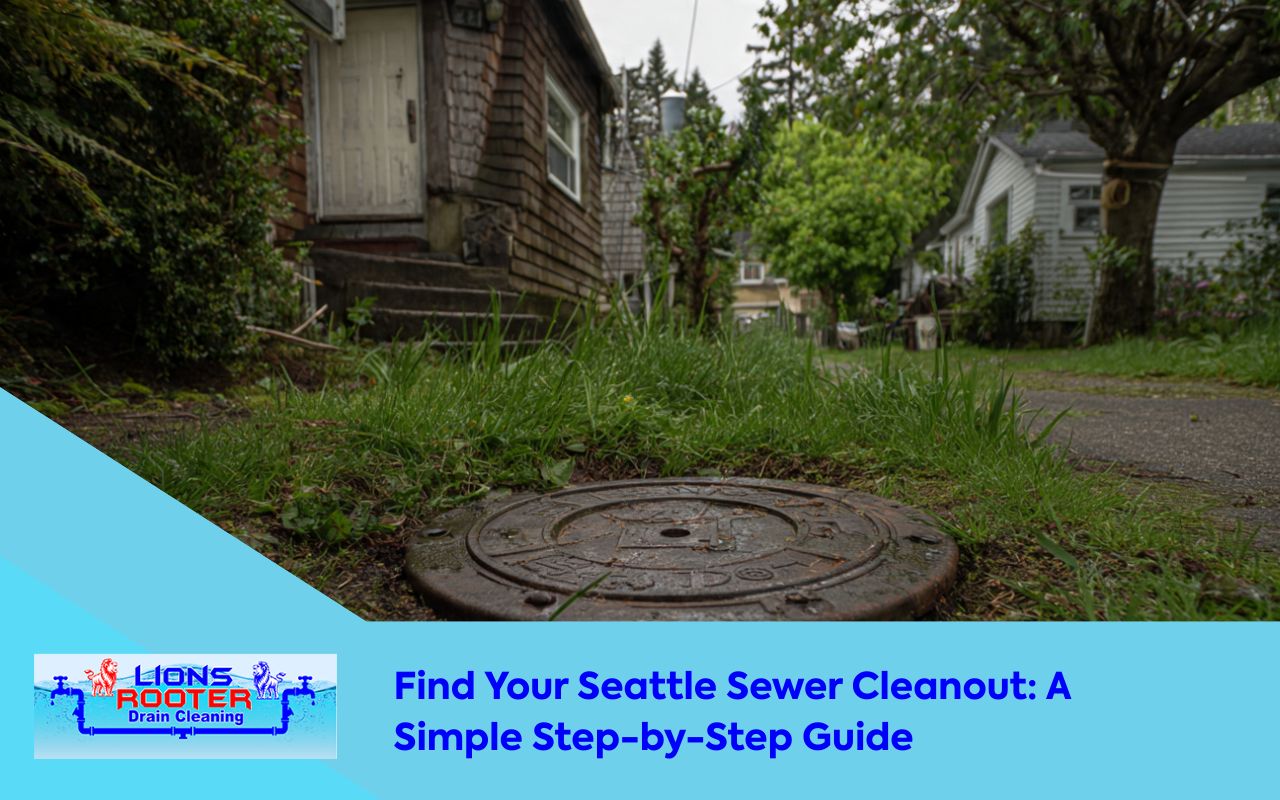
Find Your Seattle Sewer Cleanout: A Simple Step-by-Step Guide
Knowing the Sewer Cleanout Location in Seattle is not glamorous. However, it is very important. Imagine heavy Seattle rain. Then water pools outside or backs up inside. You need fast access to the cleanout cap. This guide helps you stay calm and act early.
In addition, you will learn how to find the cleanout and keep it easy to reach. As a result, you can prevent backups and avoid bigger problems. Whether you are new to the home or just careful, these steps can save time and stress.
Why a Sewer Cleanout Matters in Seattle
A sewer cleanout is a direct access point to the sewer line. Therefore, it helps clear clogs faster. Seattle’s wet weather can push water and roots into pipes. When you know your Sewer Cleanout Location in Seattle, you can react quickly. That can reduce damage during storms.
Also, a missing access point slows down technicians. So, you may pay more for time spent searching. This is common in older neighborhoods. For a deeper overview of local drain basics, review this sewer and drain guide for homeowners.
Tools to Find Your Cleanout
Before you start, gather a few items. That way, the search is safer and faster. Additionally, good lighting and careful probing help you avoid random digging.
Metal soil probe to feel for a buried cap
Flashlight for shaded areas, basements, or crawl spaces
Hand trowel to uncover soil in thin layers
Work gloves to protect your hands
Phone camera to document the cap and area
Meanwhile, utility maps or city records can help. A thin rod or small snake can confirm an opening without heavy digging.
Outside Search: Check Your Yard
Start outside to spot the Sewer Cleanout Location in Seattle near the foundation. Often, the main line exits the home and runs toward the street. Look for a round or square cap. It may sit flush with grass, a driveway edge, or a walkway. Sometimes it is labeled “S.C.” or “cleanout.”
Scan a few feet from the house wall
Check along the path toward the street connection
Clear mulch and loose soil gently
Use a wrench only after the cap is fully exposed
If the cap is stuck, use water-based lubricant. However, do not force it. Slow, steady pressure protects the threads and pipe.
Inside Search: Look in the House
If you do not see a yard cap, check inside. Many homes have cleanouts in basements, utility rooms, or crawl spaces. The cap often sits on a vertical pipe near where the drain exits the home. Keep a bucket and towels ready, because standing water can appear.
Use gloves and a small snake to feel for simple clogs. If you notice heavy debris, stop and plan next steps. That prevents mess and damage.
Clues That a Cleanout Is Nearby
Look for subtle signs. A small yard dip, a thin metal ring, or oddly healthy grass can hint at a buried cap. In addition, tapping the ground can sound hollow above an empty chamber. A musty odor near the foundation can also help.
These clues often point to the Sewer Cleanout Location in Seattle. So, you can dig less and find it faster.
Dig Smart: Uncover a Buried Cleanout
Dig slowly to protect the cap and pipe. First, probe to outline the cap edges. Then remove soil in shallow layers with a hand tool. Brush away loose dirt as you go. This keeps the top surface clear and reduces cracking risk.
Once the cap is exposed, fit your wrench securely. Then turn with steady pressure. If it resists, pause and lubricate the threads.
Safety Steps Before You Open the Cap
Safety matters with sewer access. Wear rubber gloves and eye protection. Also, use a mask if odors are strong. Sewer gases can be harmful, so improve airflow. Indoors, open windows or run a fan. Avoid skin contact with wastewater, and clean up spills right away.
If the cap will not move, stop. A broken cap or pipe can cost more than a service call.
Keep the Cleanout Easy to Reach
Simple upkeep keeps the cap easy to find. Also, it helps you react faster when problems start. Check the area a few times each year, especially before the rainy season. Keep plants and roots away from the access point.
Trim grass and clear debris around the cap
Keep at least one foot of space around the cleanout
Mark the spot with a discreet stake or yard marker
Rinse with clean water to reduce minor buildup
If you are planning upgrades, see this sewer cleanout installation guide for practical planning details.
Fix Common Cleanout Problems
If drains stay slow after you open the cap, the clog may be deeper. Use a snake for minor blockages. However, if water will not move, the issue can sit farther down the line. If you still cannot confirm the Sewer Cleanout Location in Seattle, a pro can trace the line safely.
Cracked caps should be replaced quickly. That helps limit gas leaks and root intrusion. For a clear diagnosis, consider this sewer camera inspection overview. If you need hands-on help after you identify the access point, request service through the Lions Rooter & Drain Cleaning contact page.
Frequently Asked Questions
What does a cleanout cap look like?
It is often a round or square cap on PVC or metal. It may be flush with soil or slightly raised. Some caps have markings like “cleanout.”
Where should I look first outside?
Start near the foundation where the main line exits the home. Then follow the likely path toward the street connection. Check lawn edges and walkways too.
Is it normal to have an indoor cleanout?
Yes. Many homes have a cap in a basement, utility room, or crawl space. It is often on a vertical pipe near the main drain exit.
What causes backups most often in Seattle?
Tree roots, grease, and long-term buildup are common. Heavy rain can also stress older lines. Regular checks can reduce surprise backups.
When should I call a professional?
Call if the cap is stuck, odors are strong, or water will not drain. Also call if you suspect a deep blockage or pipe damage.
Feel Confident About Your Cleanout
Once you can find your Sewer Cleanout Location in Seattle, you can respond faster and avoid panic. With the right tools, smart digging, and safe habits, you reduce risk. Regular checks keep the access point clear. As a result, you are ready when backups threaten during heavy rain.