





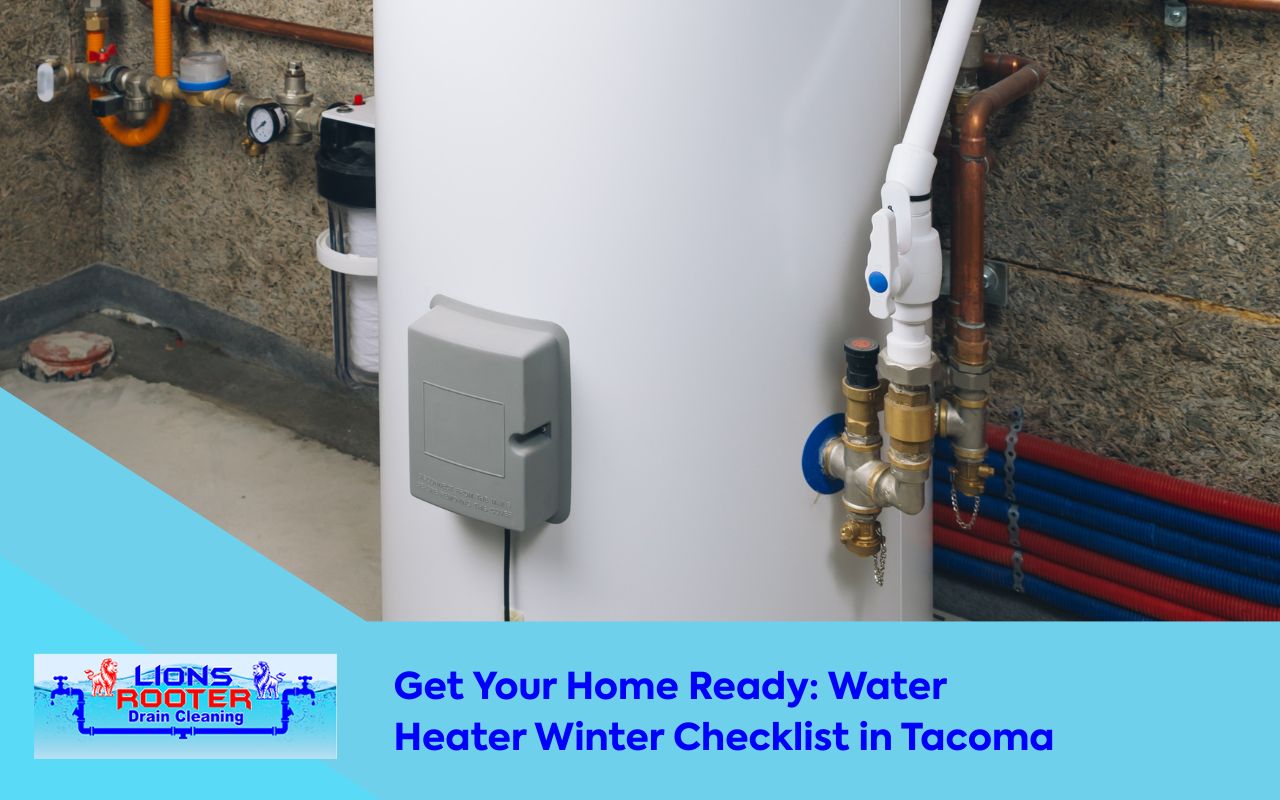
Get Your Home Ready: Water Heater Winter Checklist in Tacoma
Water Heater Winter Checklist in Tacoma starts with simple care before cold days. In Tacoma, hot water is more than comfort. Therefore, winter is the worst time for a surprise failure. Many homeowners forget quick upkeep, and then they face a cold shower.
However, small steps can prevent big repairs. For example, you can protect the tank from rust, clear mineral buildup, and keep heat steady. As a result, you can extend system life and cut wasted energy. Now, let’s cover the key tasks for a smooth winter.
Water Heater Winter Checklist in Tacoma: Quick Steps
First, follow these steps in order. Then, you’ll reduce shutdown risk and improve daily comfort.
Check the corrosion rod and replace it if worn.
Drain and rinse the tank to clear grit.
Confirm the small flame stays steady on gas units.
Set a safe temperature and recheck after one hour.
Wrap exposed hot water lines in unheated spaces.
Test the safety valve and watch for dripping.
Look for leaks, rust, and damp spots around fittings.
Book a yearly inspection before the first freeze.
Inspect the Corrosion Rod
In Tacoma’s damp air, the Anode rod helps protect your tank from rust. Therefore, this Water Heater Winter Checklist in Tacoma includes a yearly check. First, shut off power or gas and close the cold inlet. Next, loosen the rod with a wrench and lift it out.
What to look for
If the core is under half its size, replace it.
If thick white buildup covers it, replace it soon.
If it breaks easily, the tank needs better protection.
After that, install a new rod and tighten it gently. As a result, your heater can last longer through winter.
Flush the Tank Before Freezing Nights
Sediment can settle at the bottom and block heat. Consequently, this Water Heater Winter Checklist in Tacoma includes a yearly flush. First, turn off power or gas and close the cold valve. Next, connect a hose to the drain and run it outside or to a safe drain.
Open a hot tap to release pressure.
Open the drain valve and let water run clear.
Close the valve, refill the tank, and check for leaks.
Also, if you struggle with a slow floor drain during a flush tank job, review drain cleaning in Tacoma, WA for a smoother drain path.
Check the Small Flame on Gas Units
A steady pilot light helps keep hot water reliable. Therefore, your Water Heater Winter Checklist in Tacoma should include a quick look before colder mornings. First, remove the access panel. Next, check the flame color. A strong blue flame is best, while yellow or flickering can signal dirt or airflow issues.
If it will not stay on
Follow the maker’s relight steps carefully. Also, if it keeps going out, a small sensor may need service. As a result, you avoid sudden no-hot-water days.
Set a Safe Water Temperature
Most homes do well near 120°F. Therefore, you can lower burn risk and reduce energy waste. First, find the dial or display and adjust it. Then, wait about one hour and test at a faucet. Moreover, if kids or seniors live with you, consider a slightly lower setting.
Insulate Hot Water Pipes
Exposed pipes lose heat fast, especially in unheated spaces. As a result, insulation helps hot water arrive sooner and stay warmer. First, measure the exposed runs near the heater. Next, add foam sleeves that fit snugly.
Cut insulation to length and wrap it around the pipe.
Tape seams so it stays closed and neat.
Focus on basements, garages, and crawl spaces.
Test the Safety Valve
The safety valve releases pressure when it gets too high. Therefore, it helps prevent leaks and serious damage. First, place a bucket under the discharge pipe. Next, lift the lever gently. Then, release it and confirm the flow stops fully. However, if it keeps dripping, plan a replacement.
Look for Leaks and Rust
Even small drips can point to bigger trouble later. So, check fittings, joints, and the area under the tank. Next, look for moisture, rust spots, or crusty buildup. Tighten loose connections carefully. However, if the tank body shows heavy rust, call a plumber to review repair or replacement options.
Schedule a Professional Tune-Up
Even if you handle basics, a yearly visit can catch hidden issues. Therefore, schedule service before temperatures dip. If hot water fails suddenly, use 24/7 emergency plumbing in Washington State to restore comfort fast. Also, to plan a winter check, request service through the contact page.
Frequently Asked Questions
How often should I do water heater maintenance?
Generally, once a year works well. However, homes with hard water may need more frequent checks.
What are signs my heater is struggling in winter?
For example, you may notice slower hot water, odd noises, or cloudy water. Therefore, schedule service early.
Is it normal to hear popping or rumbling sounds?
Sometimes, yes. Still, it often points to sediment heating and popping. So, a drain and rinse usually helps.
Can pipe insulation really make a difference?
Yes, it often reduces heat loss. As a result, you can get hot water faster and waste less energy.
When should I call a plumber instead of DIY?
If you see steady leaking, smell gas, or can’t keep heat stable, call a pro. Moreover, safety always comes first.
A Warm Winter Wrap-Up
With this Water Heater Winter Checklist in Tacoma, you can protect comfort, safety, and efficiency. First, handle simple checks before the first cold snap. Then, stay alert for leaks and flame issues. As a result, you reduce emergency repairs and enjoy steady hot water all winter long.